
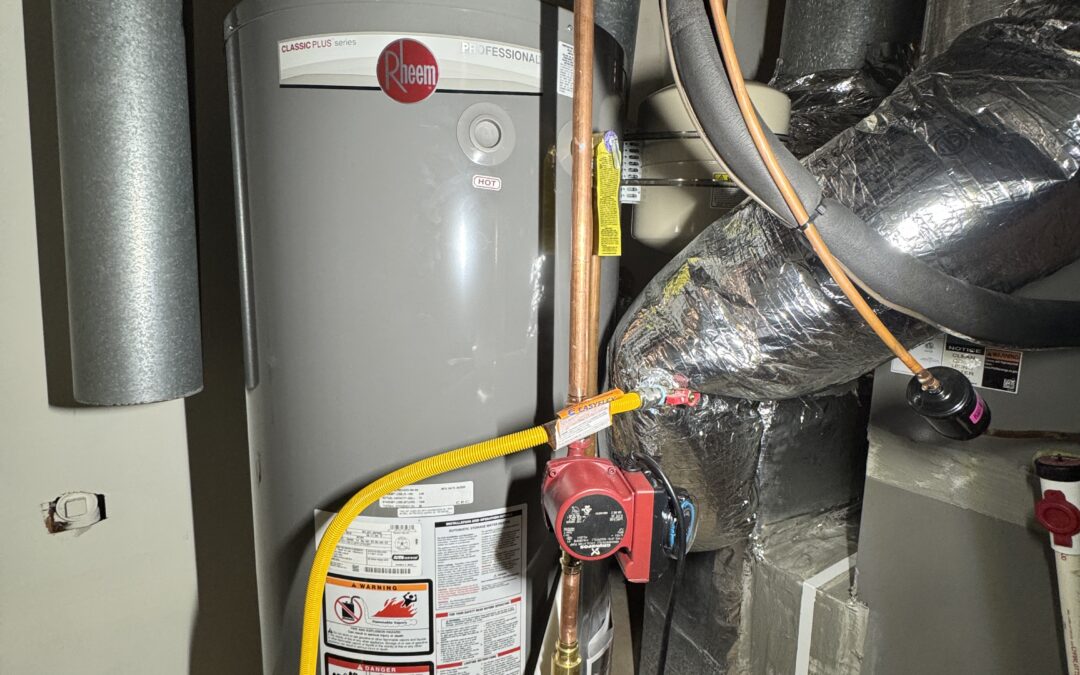
Your water heater quietly does its job every single day — until it doesn't. Knowing the warning signs before a failure happens can save you from a cold shower, a flooded utility room, or a costly emergency call.
As a residential plumbing company serving Atlanta and the surrounding communities, we've replaced hundreds of water heaters over the years. The most common thing we hear? "I had no idea it was about to go." This guide will make sure that doesn't happen to you.
How Long Do Water Heaters Last in Atlanta?
Most traditional tank water heaters last 8 to 12 years. Tankless units can last 15–20 years with proper maintenance. However, Atlanta's water quality can influence that timeline. The metro area is generally served by soft surface water, but mineral buildup and sediment still accumulate inside tanks over time, especially in older homes.
If you don't know how old your water heater is, check the label on the unit. The first four digits of the serial number usually contain the year and week of manufacture — though formats vary by brand.
Quick Tip: If your water heater is over 10 years old, you should be actively planning for replacement — not waiting for it to fail. A proactive replacement is always less disruptive and less expensive than an emergency one.
7 Signs Your Water Heater Needs to Be Replaced
Watch for these warning signs in your Atlanta home:
- You're running out of hot water faster — Sediment buildup reduces the tank's effective capacity.
- Rusty or discolored hot water — Rust-colored water from hot taps (but not cold) signals internal corrosion. Replace, don't repair.
- Rumbling or popping sounds — Hardened sediment strains the system and accelerates wear.
- Visible leaks or moisture around the tank — A leaking tank cannot be repaired. It must be replaced before it causes water damage.
- Rising energy bills — An aging unit works harder to heat water, driving up your monthly costs.
- Frequent repairs — Two or three repairs in a short span signal the unit is breaking down systemically.
- It's over 10 years old — Age alone is a valid reason to plan a replacement, even if the unit seems to be working.
Repair or Replace? A Practical Guide
| Situation | Recommendation | Why |
|---|---|---|
| Under 6 years old, single minor issue | Repair | Unit has plenty of life left |
| 6–10 years old, minor issues | Repair + Monitor | Repair now, plan replacement in 2–3 years |
| Over 10 years old, any significant issue | Replace | Repair cost rarely makes sense |
| Any age — visible corrosion or active leak | Replace Immediately | Cannot be repaired safely |
Tank vs. Tankless: What's Right for Your Atlanta Home?
Traditional Tank Water Heater
Lower upfront cost (typically $1625+ installed), familiar technology, easier to service. Best for homes with consistent, moderate hot water demand.
Tankless (On-Demand) Water Heater
Higher upfront cost (typically $2800+ installed (swap out of existing unit)), but can reduce water heating costs by 20–30% annually. Lasts 15–20 years and never "runs out" of hot water.
Atlanta Homeowner Note: Tankless water heaters may require an upgraded gas line or electrical panel. A licensed plumber should assess your home before you purchase a unit to avoid surprise costs.
Frequently Asked Questions
How much does water heater replacement cost in Atlanta?
Most replacements start at around $1600, depending on unit type, size, and any necessary modifications. Tankless units run higher. Always get a written estimate first.
Do I need a permit to replace a water heater in Georgia?
Yes — a permit is required in most Atlanta-area jurisdictions. A licensed plumber pulls the permit as part of the job. Be cautious of contractors who skip this step.
How long does a water heater replacement take?
A standard replacement takes 2–4 hours. Modifications to gas lines, venting, or electrical panels may take longer.
What size water heater do I need?
1–4 people: 40–50 gallon | 5+ people: 50–75 gallon. Your plumber should also factor in peak-hour demand.
Can I replace my water heater myself?
Homeowners can in Georgia, but it involves gas or electrical work, venting, and permits. Errors can cause gas leaks or void warranties. We strongly recommend using a licensed plumber.
Not Sure If It's Time to Replace?
Let one of our Atlanta plumbers take a look. We'll give you an honest assessment — no pressure, no upselling.